
Engineered alloy materials packing preservation and delivery procedures apply to stainless steel, duplex stainless steel, super duplex stainless steel, nickel alloys, Hastelloy alloys and Inconel alloys supplied in the form of pipes, fittings, flanges, forgings, plates and bars for EPC projects and industrial installations.
Packing Requirements for Alloy Materials
Packing requirements are defined based on material type, surface finish, transportation method and project storage conditions. Pipes are typically protected with plastic end caps, wrapped with plastic film or VCI anti-corrosion paper and packed in wooden cases or steel frames depending on size and weight. Fittings and flanges are usually packed in wooden cases with internal separation to prevent mechanical damage.
For corrosion resistant alloys such as duplex stainless steel and nickel alloys, preservation during transportation is important to avoid chloride contamination, carbon steel contact contamination or surface corrosion. Engineered alloy materials packing preservation and delivery procedures include separation from carbon steel materials and protection against moisture exposure.
Proper packing ensures that materials maintain surface condition, dimensional integrity and traceability identification during transportation and storage.
Preservation and Corrosion Protection
Preservation is required to prevent corrosion during transportation and storage, especially for materials transported by sea or stored in outdoor environments. Preservation methods may include anti-corrosion oil coating, VCI wrapping, plastic sealing and moisture barrier packaging.
For stainless steel and high alloy materials, preservation procedures must ensure that materials are protected from chloride contamination, iron contamination and galvanic corrosion. Engineered alloy materials packing preservation and delivery procedures include surface cleaning before packing and protective wrapping to prevent contamination.
Preservation requirements are usually specified in project specifications, purchase orders or material requisitions.
Marking and Identification Control
Marking and identification control are critical parts of engineered alloy materials packing preservation and delivery procedures because material traceability must be maintained during transportation and installation. Each material must be marked with heat number, material grade, size, specification and manufacturer identification in accordance with project requirements and applicable standards.
Marking methods may include low stress stamping, stencil marking, paint marking or tag identification depending on material type and project requirements. Markings must remain legible after transportation and storage.
Identification tags and packing lists must match material test certificates and inspection reports to ensure traceability throughout the supply chain and project installation stages.
Packing List and Shipping Documentation
Shipping documentation is an important part of engineered alloy materials packing preservation and delivery procedures. Packing lists must include item description, material grade, size, quantity, heat number and reference to material test certificates.
Shipping documentation typically includes packing list, commercial invoice, bill of lading, material test certificates, inspection reports, third party inspection reports and project documentation packages. Documentation must be properly organized and submitted to clients as part of project material documentation.
Proper documentation ensures that materials can be received, inspected and installed without identification or documentation issues.
Transportation and Delivery Control
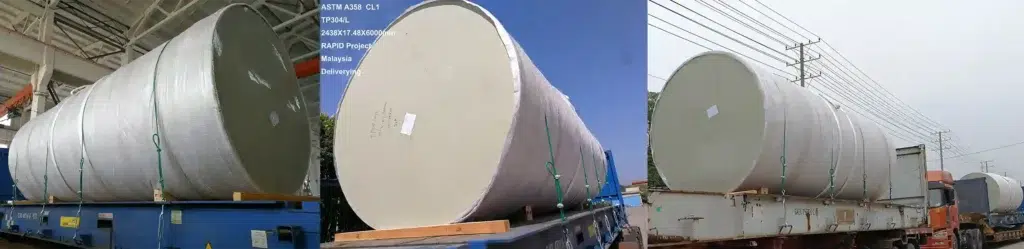
Transportation and delivery control ensure that materials are delivered to project sites without damage or identification loss. Loading and unloading procedures must prevent mechanical damage such as dents, scratches or deformation of pipes and fittings.
Large diameter pipes and heavy forgings must be lifted using proper lifting equipment and soft slings to prevent surface damage. Materials must be secured during transportation to prevent movement and mechanical damage.
Engineered alloy materials packing preservation and delivery procedures include transportation inspection and delivery inspection to confirm material condition upon arrival at site or warehouse.
For project material supply experience, refer to the Project Reference page. For overall material quality control procedures, refer to the QA/QC page. The materials described in these procedures are part of the Engineered Alloy Materials supply scope for industrial projects.
Storage and Preservation After Delivery
After delivery, materials may be stored at warehouse or project site before installation. Storage conditions must prevent corrosion, contamination and mechanical damage. Materials should be stored on wooden supports or rubber pads and should not be in direct contact with soil or carbon steel surfaces.
Outdoor storage requires protective covering and proper drainage to prevent water accumulation. Preservation condition should be inspected periodically to ensure materials remain in acceptable condition before installation.
Storage and preservation control are the final stage of engineered alloy materials packing preservation and delivery procedures and ensure that materials remain compliant with project requirements until installation.