
Engineered Alloy Materials for Pulp and Paper Industry
1 Pulping, Bleaching and Recovery Process Overview
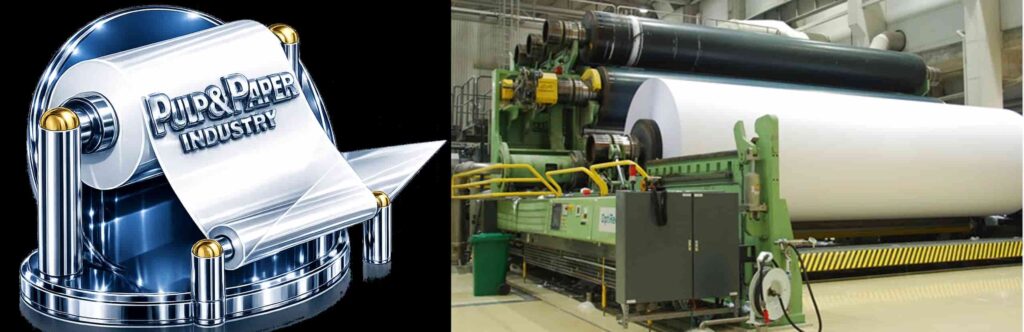
Pulp and paper mills operate through a series of continuous processes including pulping, washing, bleaching, evaporation, chemical recovery, and paper machine operations. The kraft pulping process involves alkaline digestion of wood chips, followed by washing and bleaching stages where chloride-containing and oxidizing chemicals are used. Evaporation systems concentrate black liquor, and recovery boilers regenerate process chemicals. These process sections operate under wet corrosion environments, chemical exposure, and slurry flow conditions. The selection of Engineered Alloy Materials for Pulp and Paper Industry is therefore primarily driven by corrosion resistance, erosion resistance, and long-term operational reliability in continuous process equipment.
2 Critical Corrosion Zones in Pulp and Paper Mills
Different sections of pulp and paper mills present different corrosion environments. Digesters operate in alkaline white liquor environments containing sodium hydroxide and sulfides. Bleaching stages involve chlorine dioxide, peroxide, and other oxidizing chemicals that can cause pitting and crevice corrosion. Evaporation systems handle black liquor at elevated temperatures, where corrosion and scaling may occur. Chemical storage tanks and pipelines may contain acidic or alkaline solutions with chloride contamination. These environments require careful material selection to ensure resistance to localized corrosion, stress corrosion cracking, and general corrosion. The performance of Engineered Alloy Materials for Pulp and Paper Industry must be evaluated based on chemical composition of process media and operating temperature.
3 Slurry, Fiber and Erosion-Affected Systems
Pulp slurry handling systems are common in pulp and paper mills, including pulp transport pipelines, washer outlet lines, stock preparation systems, and pump discharge lines. These systems are exposed to fiber suspension and solid particles that can cause erosion corrosion, especially at bends, tees, and pump outlets. Erosion combined with corrosion significantly reduces equipment service life if improper materials are used. Duplex stainless steels are often selected for slurry pipelines due to higher strength and better resistance to erosion corrosion compared to austenitic stainless steels. The use of Engineered Alloy Materials for Pulp and Paper Industry in slurry systems helps improve pipeline service life and reduce maintenance frequency.
4 Material Selection by Mill Section
Material selection in pulp and paper mills is typically performed based on process sections rather than individual equipment only. Digesters and chemical tanks often use stainless steels with good alkaline corrosion resistance. Bleaching towers and chloride-containing systems require materials with resistance to pitting and crevice corrosion, often duplex stainless steels or high alloy stainless steels. Evaporators and heat exchangers require materials with good corrosion resistance and heat transfer performance. Slurry pipelines and pump systems require materials with erosion corrosion resistance and high mechanical strength. Proper selection of Engineered Alloy Materials for Pulp and Paper Industry improves equipment reliability and reduces plant downtime.
5 Stainless, Duplex and High-Alloy Grades Commonly Applied
Common materials used in pulp and paper mills include austenitic stainless steels such as 304L and 316L for tanks, piping, and paper machine equipment. Duplex stainless steels such as S31803 and S32205 are widely used in bleaching systems and slurry pipelines due to improved chloride corrosion resistance and higher strength. High alloy stainless steels such as 904L and 254SMO are used in more aggressive chemical environments. Nickel alloys may be used in highly corrosive bleaching or chemical handling systems. The selection of Engineered Alloy Materials for Pulp and Paper Industry depends on chloride content, chemical composition, temperature, and slurry flow conditions.
6 Product Forms Required by Pulp and Paper Projects
Pulp and paper projects typically require a wide range of material product forms including stainless steel plates for tanks and vessels, pipes and tubes for process piping systems, fittings and flanges for piping connections, bars and forgings for pump and equipment components, and prefabricated piping spools for installation. Integrated supply of multiple product forms improves procurement efficiency and ensures material compatibility across the plant. The supply of Engineered Alloy Materials for Pulp and Paper Industry often involves coordination between plate mills, pipe mills, forging manufacturers, and fabrication workshops.
7 Fabrication, Welding and Surface Condition Requirements
Fabrication and welding quality are critical in pulp and paper equipment because poor welding practices can lead to corrosion initiation at weld seams. Welding procedures must be qualified, and weld surfaces should be properly cleaned, pickled, and passivated to restore corrosion resistance. Surface finish is important in tanks and process equipment to reduce corrosion initiation and scaling. Proper fabrication practices are essential for long-term performance of Engineered Alloy Materials for Pulp and Paper Industry in corrosive and wet environments.
8 Inspection, Documentation and Mill Maintenance Considerations
Inspection and testing for materials used in pulp and paper mills typically include PMI, ultrasonic testing, hydrostatic testing, ferrite testing, and dimensional inspection. Materials are supplied with EN 10204 3.1 or 3.2 certification when required. Documentation and traceability are important for replacement parts and maintenance planning in continuous operation mills. The supply of Engineered Alloy Materials for Pulp and Paper Industry must include proper documentation, inspection records, and traceability to support plant maintenance and equipment replacement schedules.
9 Project Supply Scope for Pulp and Paper Mills
Material supply for pulp and paper mills often includes stainless steel tanks, duplex slurry pipelines, heat exchanger tubing, process piping systems, and fabricated equipment components. Integrated supply chain coordination reduces procurement interfaces, improves delivery scheduling, and ensures documentation consistency. The supply of Engineered Alloy Materials for Pulp and Paper Industry requires coordination between multiple manufacturers, inspection agencies, and logistics providers to meet project schedules and technical specifications.